
Addressing E-Bike and E-Moto Safety Through SB 1167
What Is SB 1167?
Senate Bill 1167 (SB 1167) is a California bill that clarifies the legal definition of electric bicycles and prevents higher-powered e-motos from being marketed or sold as e-bikes. The legislation requires proper classification and consumer disclosures for e-motos while helping preserve the safety and integrity of California's e-bike system.
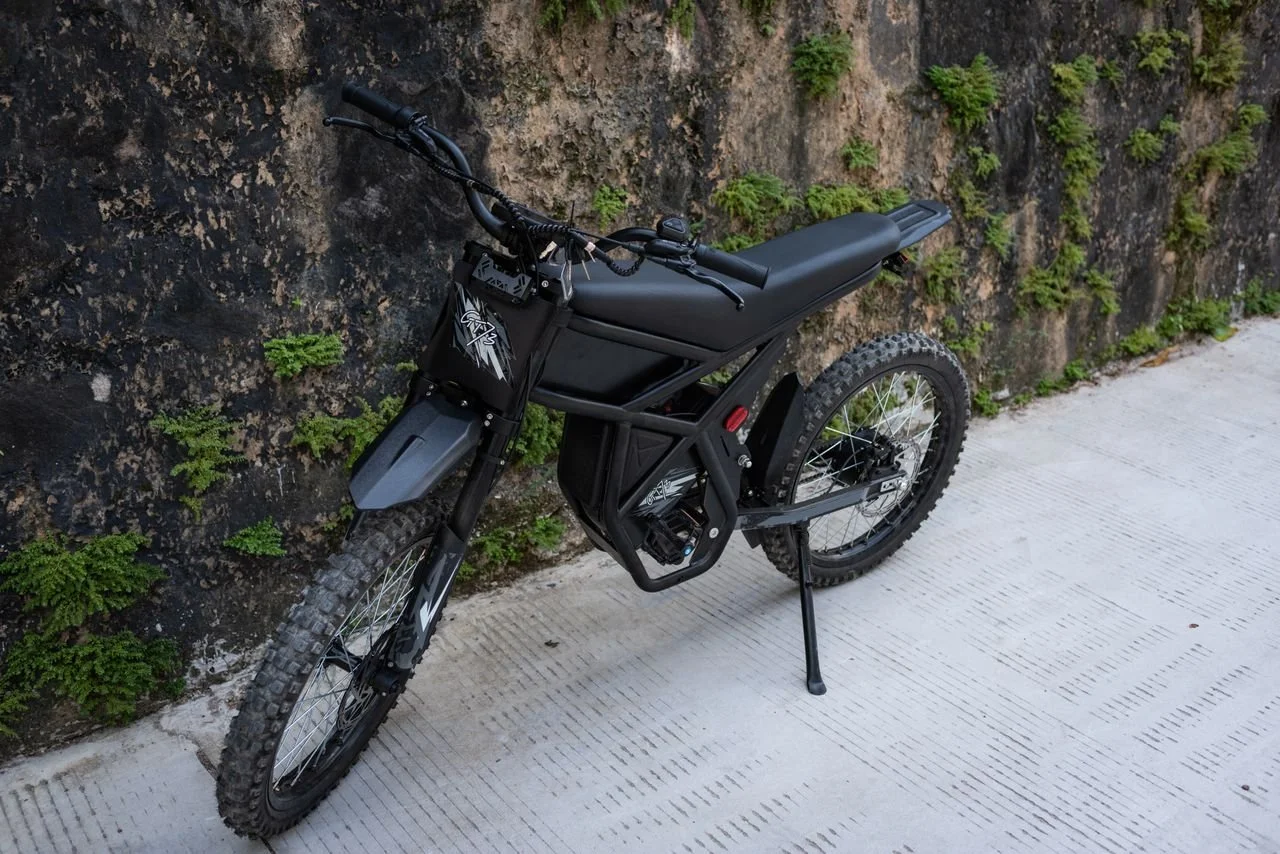
Photo by F x from Pexels
Senate Bill 1167, Vehicles: Electric Bicycles, authored by Senator Catherine Blakespear, is a key piece of legislation this term for Streets Are For Everyone (SAFE).
Co-sponsored by SAFE, Streets For All, CalBike, and PeopleForBikes, the bill addresses growing concerns about the misclassification, regulation, and marketing of electric two-wheeled vehicles in California.
Senator Blakespear recently hosted a webinar outlining the challenges in this area and discussing potential solutions through education, enforcement, and policy.
The Problem With E-Motos
In recent years, the rapid growth of electric mobility devices has created widespread confusion among consumers, particularly as higher-powered two-wheeled vehicles, known as “e-motos,” have been increasingly marketed as e-bikes. E-motos, marketed as legal e-bikes, have also become increasingly popular among teenagers and young adults.
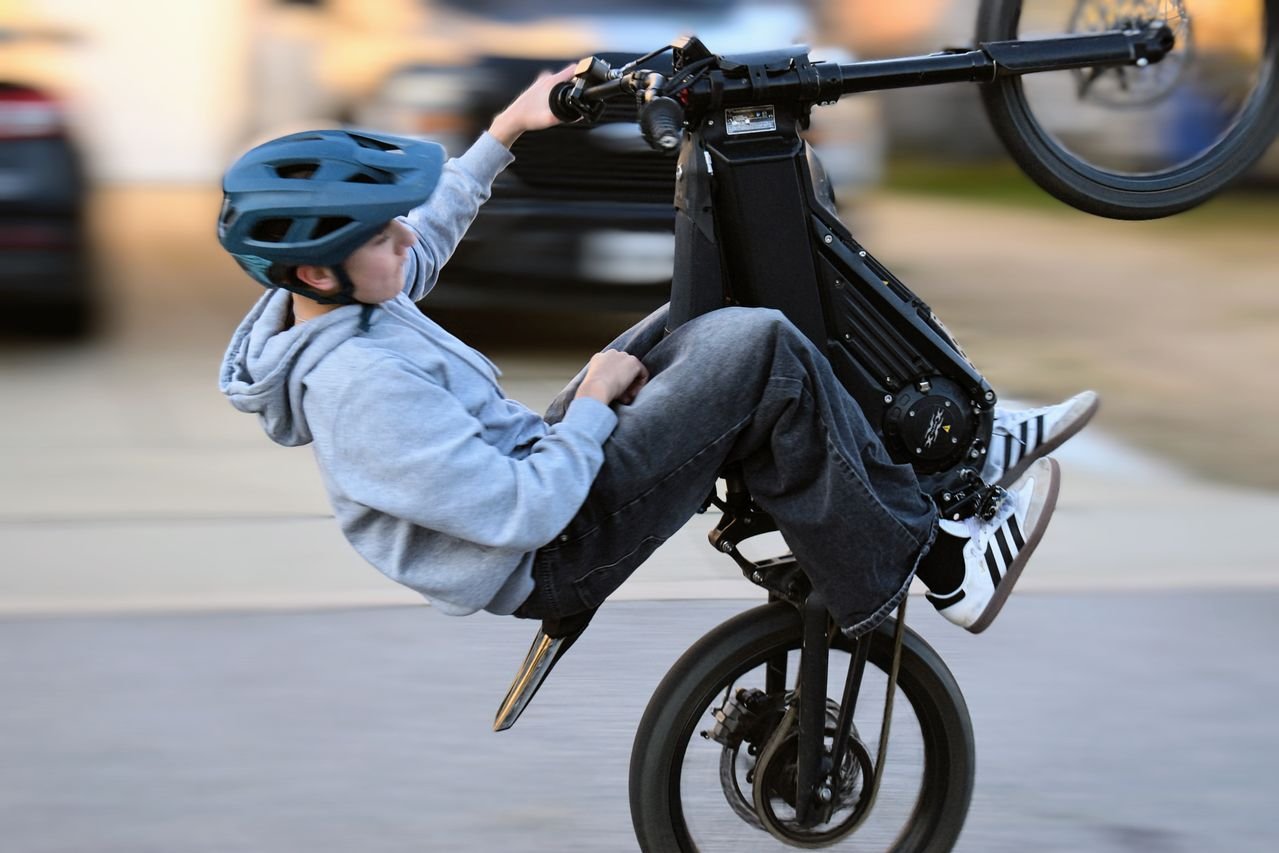
Photo by NICkky P from Pexels.
These high-powered devices can reach speeds of 30, 40, or 50+ MPH, far beyond the legal limit for e-bikes, which are limited to 20 MPH on throttle alone. E-motos, when ridden by inexperienced or irresponsible riders, pose a significant risk to riders and other road users.
Electric device-related injuries (including e-motos, e-bikes, and similar-looking devices) have increased significantly over the last decade, with more than 10% of injured patients requiring hospital admission.*
Children ages 14 and younger accounted for 36% of micromobility-related injuries between 2017 and 2022**, underscoring the need for clear consumer information and a better public understanding of different electric mobility devices.
Senate Bill 1167
SB 1167 seeks to address this problem by clarifying the legal definition of an electric bicycle. It ensures that higher-powered e-motos are properly classified and disclosed as motor-driven cycles or mopeds.
By classifying e-motos in the same legal category as mopeds or motor-driven cycles, other regulations will also apply — such as licensing, registration, and safety features like turn signals and brake lights.
Furthermore, SB 1167 prohibits the advertising or sale of e-motos as electric bicycles. It also requires manufacturers, importers, and sellers of e-motos to disclose when a product is not an e-bike and may require registration or licensing.
E-bikes are essential in expanding access to safer, more sustainable transportation that reduces car dependency and emissions.
E-motos can also be part of the solution when safely used by trained riders.
Maintaining and protecting the integrity of the e-bike classification system helps ensure that bikeways remain safe and supports public confidence in these important mobility options.
SB 1167 will ensure that legal e-bikes remain a safe and accessible transportation option while bringing proper regulation and licensing to e-motos so they can also be used safely.
We need your support to help ensure this legislation passes. If you support SB 1167, please sign on as an individual or organization in support of the bill.
Frequently Asked Questions
-
An e-moto is a high-powered electric two-wheeled vehicle that can often reach speeds well above those allowed for electric bicycles. An e-moto may legally qualify as a motor-driven cycle or moped rather than an e-bike.
-
California recognizes three classes of e-bikes. Class 1 e-bikes provide pedal assistance up to 20 mph. Class 2 e-bikes include a throttle that can power the bicycle up to 20 mph without pedaling. Class 3 e-bikes provide pedal assistance up to 28 mph. E-bike motors cannot exceed 750 watts of continuous power. E-bikes that exceed these limits do not qualify as electric bicycles under California law.
-
Senate Bill 1167 (SB 1167) clarifies the legal definition of electric bicycles and prevents higher-powered e-motos from being marketed or sold as e-bikes. The legislation requires proper classification and consumer disclosures for e-motos while helping preserve the safety and integrity of California's e-bike system.
-
Some products marketed as e-bikes exceed California's legal e-bike limits, creating safety concerns, encouraging unsafe riding behaviors, and creating regulatory challenges.
-
No. SB 1167 does not ban e-motos. Instead, it requires them to be properly classified, marketed, and regulated under existing vehicle laws.
-
Streets Are For Everyone is a co-sponsor of SB 1167 because we support transportation options that give people safe alternatives to driving. E-bikes are helping more people get around their communities without a car, and higher-powered e-motos can also be part of that solution when appropriate safety features are included, riders are properly trained and licensed, and they are operated responsibly and in compliance with the law.
However, two-wheeled electric vehicles capable of traveling 30, 40, or even 50+ mph should not be marketed as electric bicycles. When high-powered e-motos are sold as e-bikes, consumers may not understand the differences in speed, safety requirements, licensing, and regulation. SB 1167 helps ensure that riders, parents, and consumers have accurate information while preserving the safety and integrity of California's e-bike system.
*Icahn School of Medicine at Mount Sinai: The rise in electric biking (E-bike) injuries: a 10-year age and sex-specific analysis of national injury data
**United States Consumer Product Safety Commission: E-Scooter and E-Bike Injuries Soar: 2022 Injuries Increased Nearly 21%